What happened
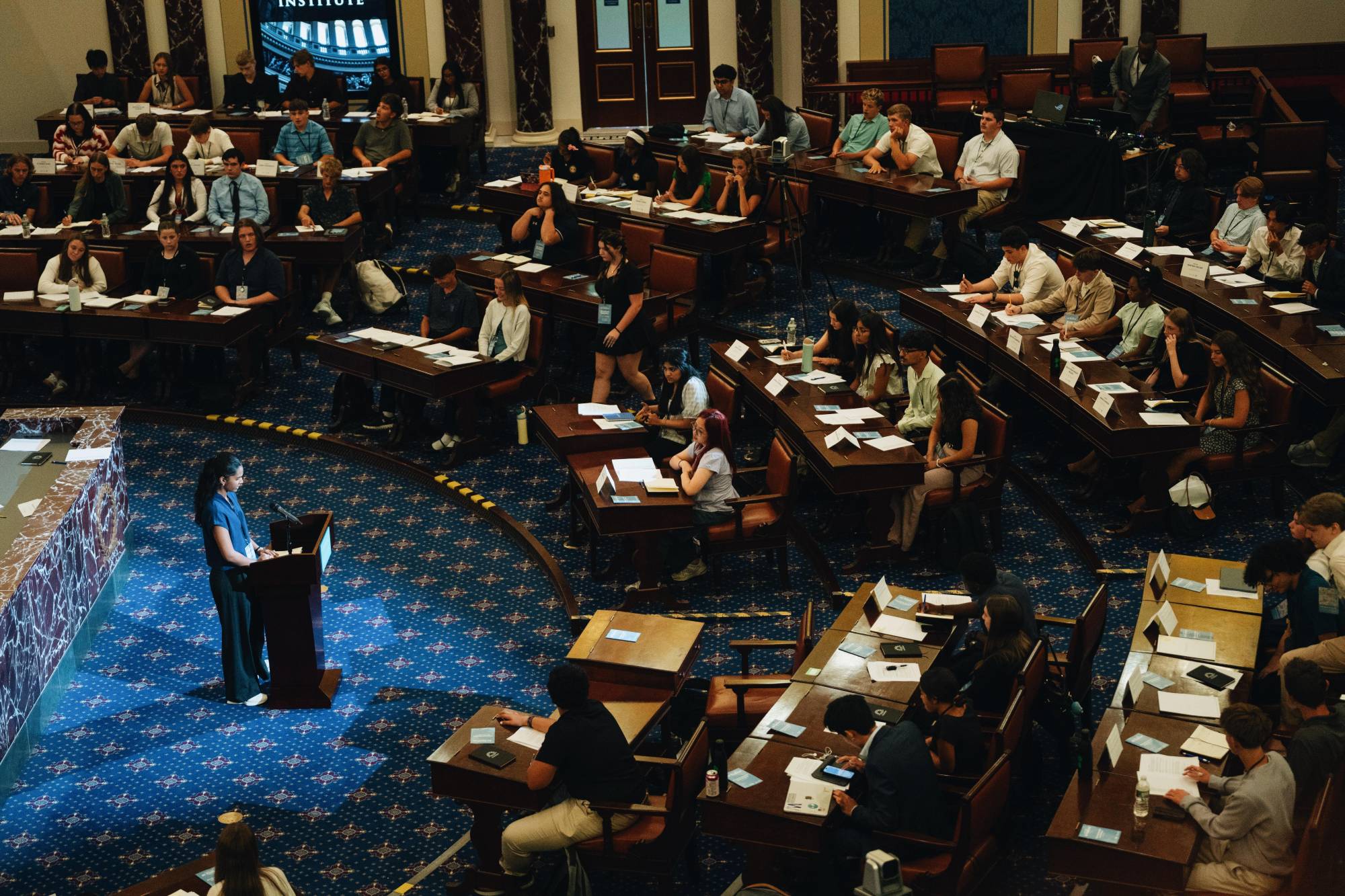
MindShift reported that over a late-July weekend in Boston, 98 teens representing all 50 states met in a replica U.S. Senate chamber to draft K-12 AI rules. Hosted by the Edward M. Kennedy Institute, AASA and Day of AI, their nonbinding Students First Act passed 82-16. AASA plans to send it to 10,000 school leaders.
Why it matters
The exercise matters because the article says there is no national AI policy for schools, leaving states and districts to make local rules. The student bill highlights implementation choices educators are facing now: when to teach AI literacy, whether to ban AI on graded tests, how to verify mastery, and how teachers may use AI for planning, practice materials, feedback and instruction.
What to do next
Leaders can use the text as a discussion prompt, not a settled standard. Compare current policies with its provisions on AI literacy when classroom devices are introduced, written teacher AI policies each semester, citation of AI use, oral defenses, and human review beyond AI detectors. Note unresolved issues raised in the debate, including teacher capacity, funding inequities and chatbot responses to students seeking emotional support.
About this briefing
Reviewed by TutorFlow Editorial. We link the primary source, preserve its publication date, and distinguish reported claims from TutorFlow analysis. Our commentary focuses on practical decisions for educators and training teams.
Discussion (0)
Open to everyone