What happened
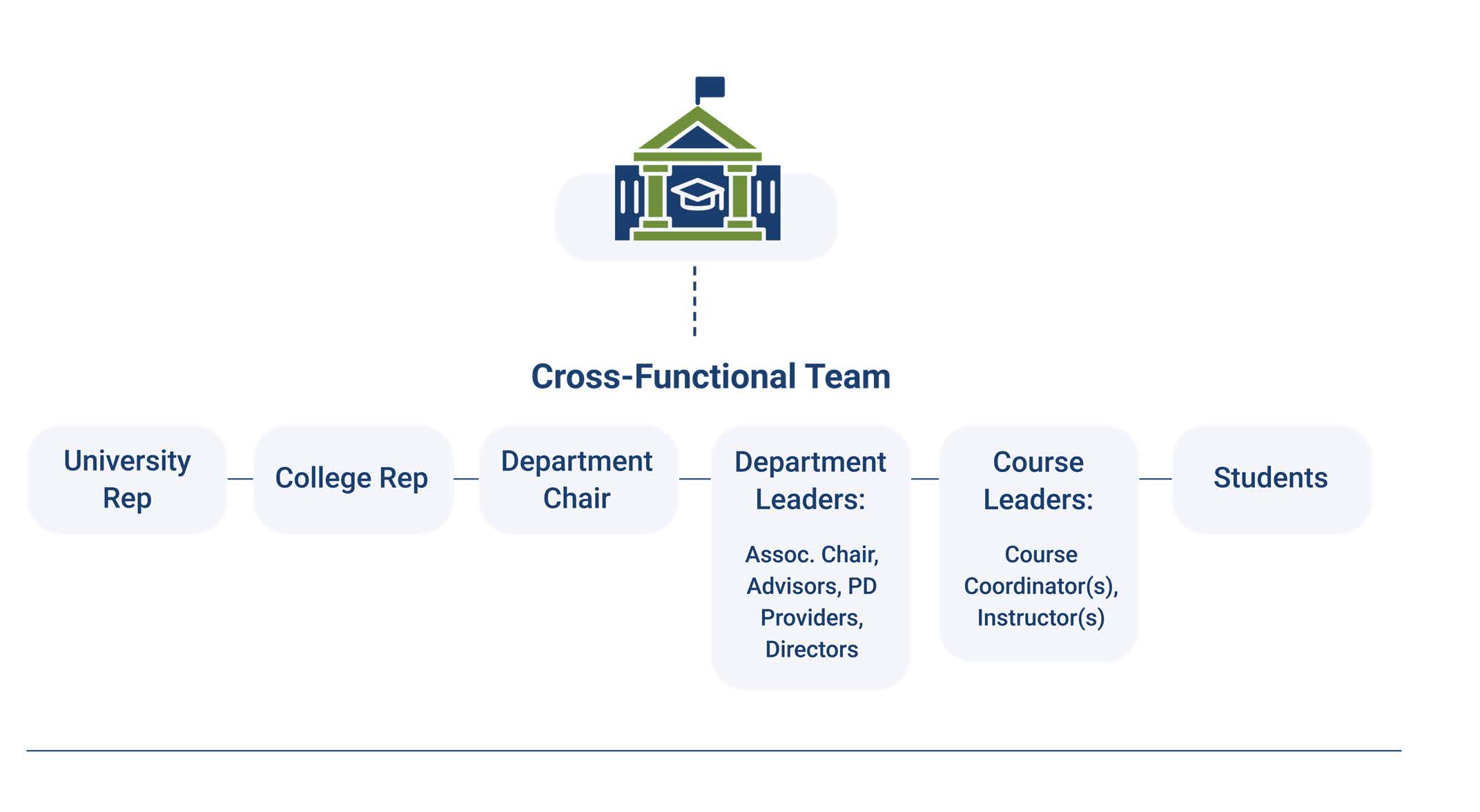
Every Learner Everywhere reported that Project EMBER has released Eliminating Mathematics Barriers through Evidence-based Reforms: A Guidebook. The guidebook is written for departments and institutions seeking to improve introductory math programs and organizes reform around three milestones: building an empowered cross-functional team, assessing current practices with rubrics, and creating an action plan aligned with institutional priorities.
Why it matters
The guidebook frames introductory mathematics as tied to student momentum, retention, and timely progress into majors. It emphasizes teaching-focused faculty because, according to internal Project EMBER research, they make up one-third of full-time faculty at research institutions and often teach or coordinate introductory mathematics courses.
What to do next
Teams considering changes should first confirm who has authority to participate, gather local data such as placement, course success, retention and throughput, and use the self-assessment to choose priorities before selecting innovations. The supplied evidence describes tools and one case study but does not report broad implementation results, so plans should be tested against local needs, capacity, and institutional strategy.
About this briefing
Reviewed by TutorFlow Editorial. We link the primary source, preserve its publication date, and distinguish reported claims from TutorFlow analysis. Our commentary focuses on practical decisions for educators and training teams.
Discussion (0)
Open to everyone