What happened
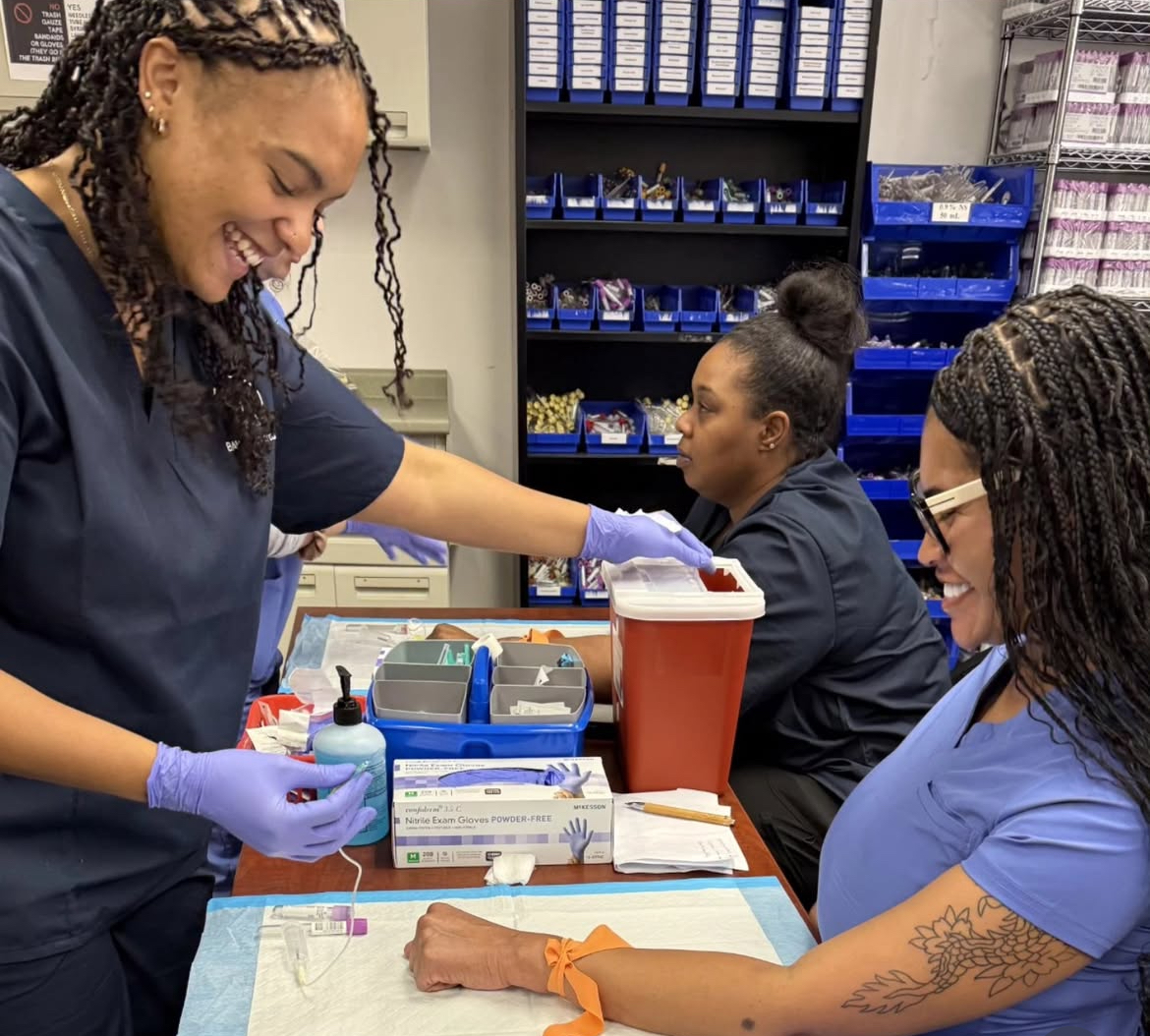
MindShift reports that ARISE High School in Oakland offers phlebotomy certification within its Linked Learning career and technical education program, alongside dual-enrollment college courses. John Warren, ARISE’s director of community learning and engagement, said teachers volunteer for student finger-prick practice. MindShift also describes Summit-Tahoma students in San Jose taking a two-week phlebotomy course through Bay Area Medical Academy instructor Tracy Lowe.
Why it matters
For educators and designers, the practical point is integration, not substitution. WestEd research scientist Thomas Torre Gibney told MindShift that CTE exposes students to hands-on work in an applied setting and can make academic skills such as math, communication, biology, teamwork and professionalism less abstract. Rhode Island commissioner Angélica Infante-Green said the goal is to expand options, while keeping college as a priority. The model may help learners test interests before committing to a single postsecondary route.
What to do next
Schools and training teams considering similar pathways should map where academic standards, workplace skills and credentials genuinely overlap, rather than adding career activities as a separate track. For clinical or technical programs, confirm certification requirements, supervision, safety procedures, consent practices and college-credit expectations before launch. Treat the evidence as examples from specific schools, not proof that any one pathway will fit every learner, region or labor market.
About this briefing
Reviewed by TutorFlow Editorial. We link the primary source, preserve its publication date, and distinguish reported claims from TutorFlow analysis. Our commentary focuses on practical decisions for educators and training teams.
Discussion (0)
Open to everyone