What happened
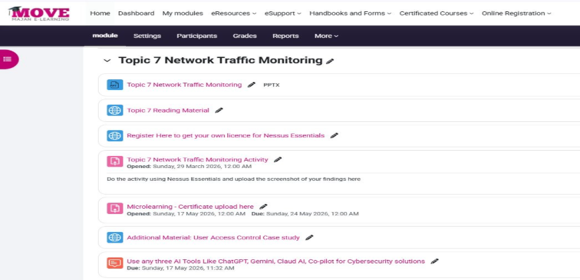
Writing in Faculty Focus, Ramalingam Dharmalingam of Majan University College describes a cybersecurity module combining Nessus Essentials vulnerability scans, comparison of three AI tools’ remediation advice, and five- to ten-minute lessons before labs. Students justified their preferred solution in forum posts. After one semester, he reports improved practical assessment performance compared with previous cohorts and feedback indicating greater confidence.
Why it matters
The assessment centers on evaluating AI advice rather than simply generating an answer. In one student report described by Dharmalingam, suggested fixes differed in whether they removed a backdoor, stopped it temporarily or blocked external access while leaving it running locally. For educators and training designers, that distinction provides a concrete focus for assessing technical judgment and documented reasoning. The reported improvements are encouraging, but the supplied account gives no numerical results or basis for separating the contributions of AI comparison, scanning and microlearning.
What to do next
Consider a bounded lab task in which learners identify a vulnerability, compare three AI responses and justify a remediation choice. Following Dharmalingam’s approach, pair it with a short, single-topic lesson and assess the reasoning documented in the forum, not just the selected answer. Treat the example as a teaching design to examine, not evidence that one AI tool is generally superior. Before broader adoption, look for fuller assessment data and compare practical performance and learner feedback with prior delivery.
About this briefing
Reviewed by TutorFlow Editorial. We link the primary source, preserve its publication date, and distinguish reported claims from TutorFlow analysis. Our commentary focuses on practical decisions for educators and training teams.
Discussion (0)
Open to everyone