What happened
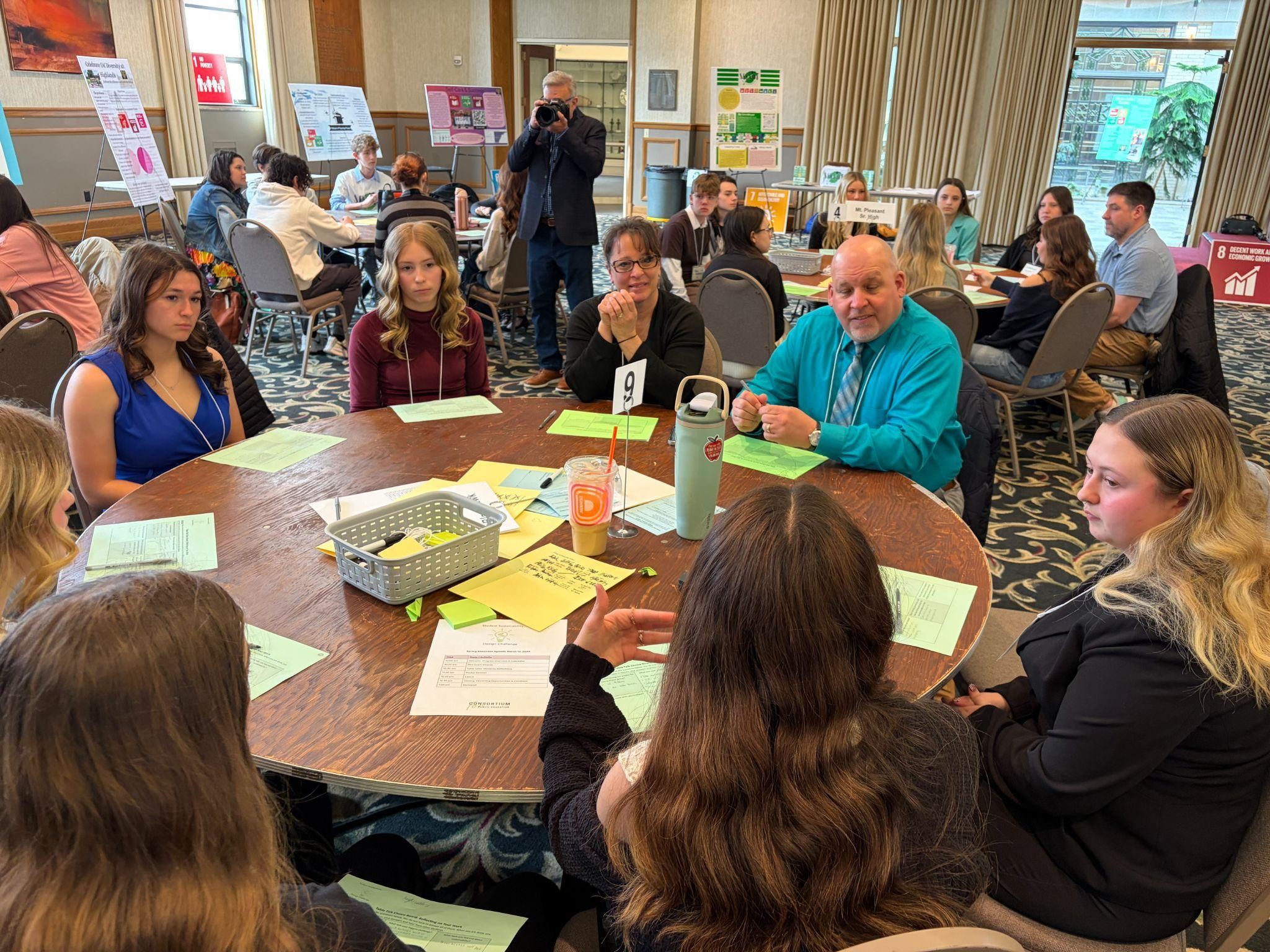
Getting Smart published Norton Gusky’s overview of four organizations connecting K–12 learning with careers: Connect the Work, the Consortium for Public Education, the Neighborhood Learning Alliance, and the Pittsburgh Technology Council. The article describes approaches including RIASEC-based classroom conversations, community design challenges, career-cluster coursework and paid work experience, and student contact with technology employers.
Why it matters
Together, the examples show career learning can be built through different settings, from everyday lessons to projects with community and industry partners. For educators and designers, the practical point is to connect subject matter to roles, interests, and real problems, while involving adults beyond school. Gusky describes approaches that include student reflection and sustained academic or mentoring support, not only exposure to jobs. The article offers models, but does not compare their results.
What to do next
Schools and course teams can start with an existing lesson or project, adding questions that connect its content with learners’ interests, skills, and possible roles. Map local employers, community groups, families, or postsecondary partners who could contribute conversations, feedback, visits, or mentoring. Consider age-appropriate reflection and follow-up support, drawing on Gusky’s examples of RIASEC language and academic support. Leaders should clarify coordination and equitable participation. Treat these as adaptable examples: the article describes programs but offers no comparison establishing which approach works best or what outcomes to expect locally.
About this briefing
Reviewed by TutorFlow Editorial. We link the primary source, preserve its publication date, and distinguish reported claims from TutorFlow analysis. Our commentary focuses on practical decisions for educators and training teams.
Discussion (0)
Open to everyone